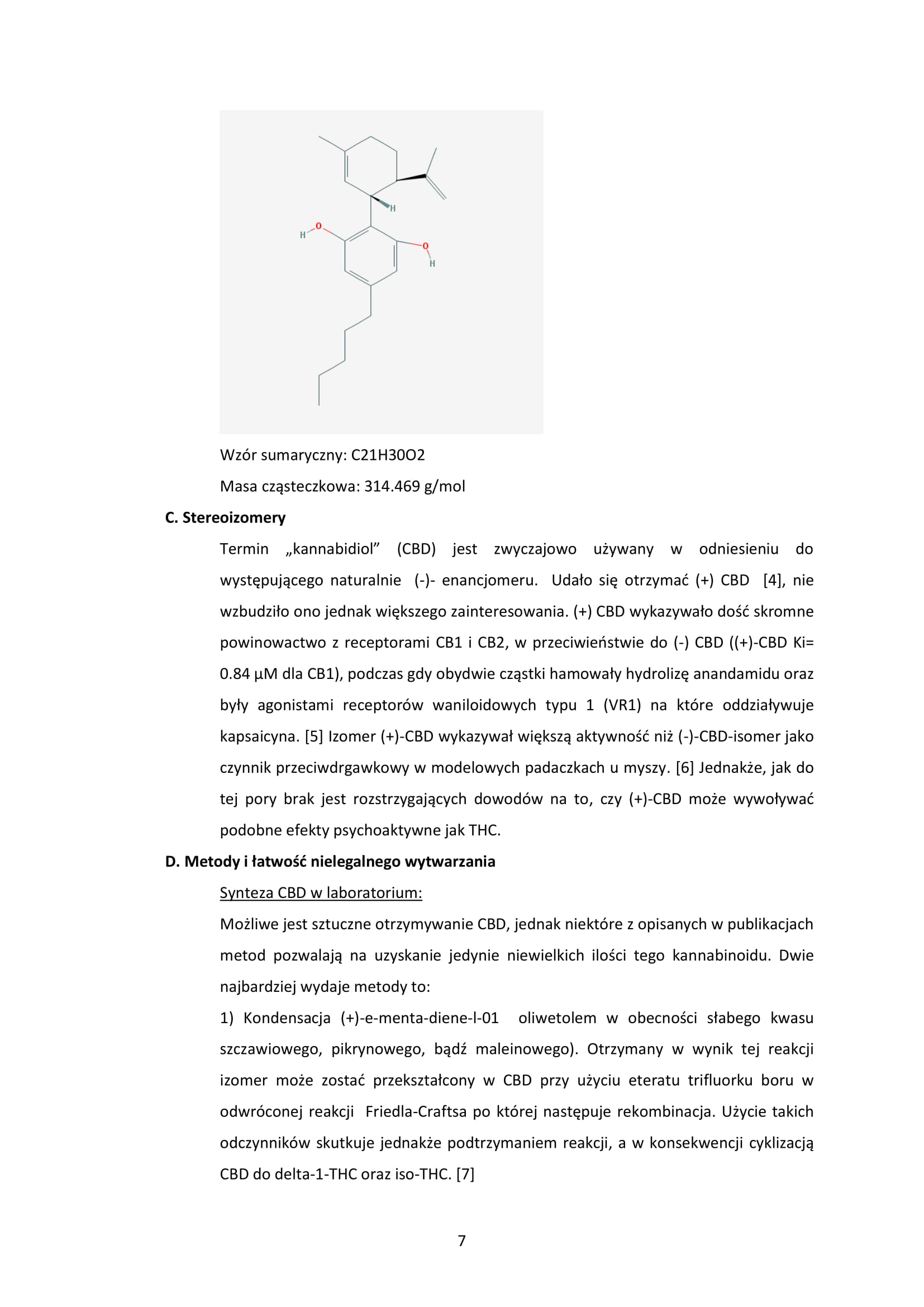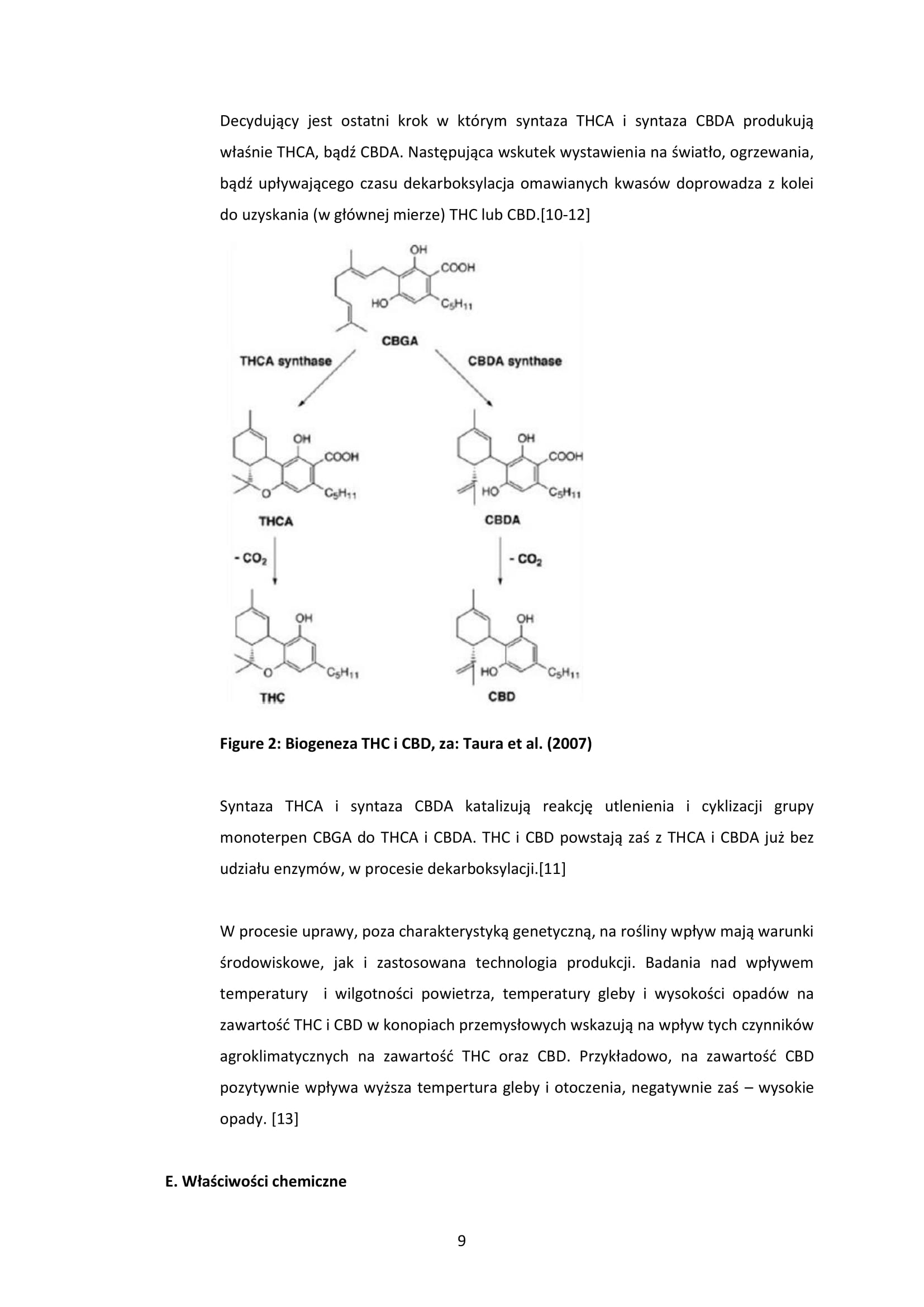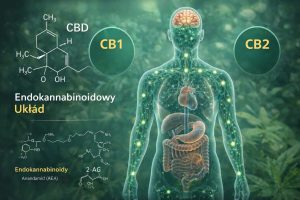


Cannabidiol (CBD) is one of the naturally occurring cannabinoids in hemp. It is
a terpene-phenolic compound containing twenty-one carbon atoms. It is formed by
decarboxylation of cannabidiolic acid, but can also be obtained synthetically.
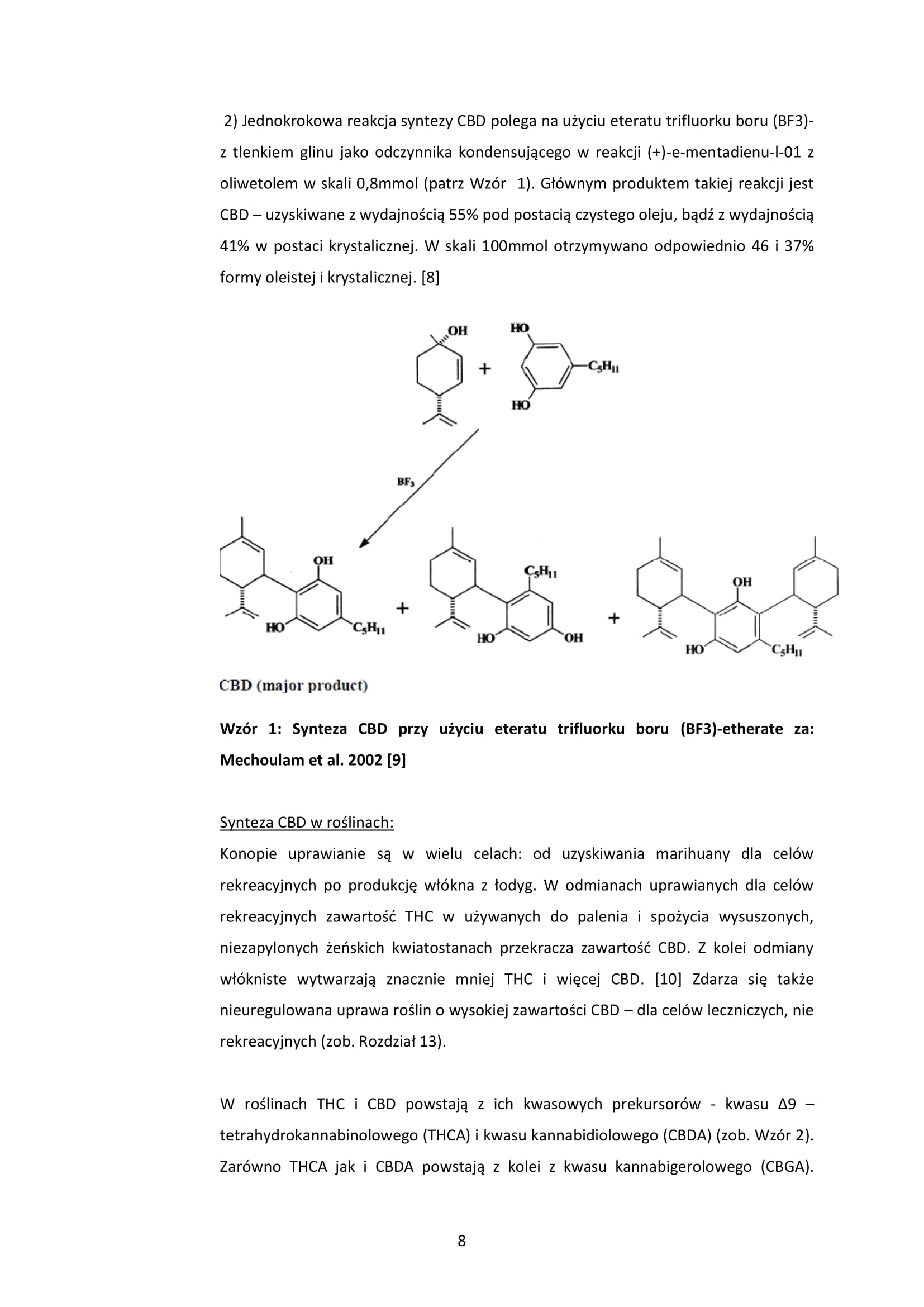
Under laboratory conditions, CBD can be converted to tetrahydrocannabinol (THC),
however, such transformation does not appear to occur with CBD administered to patients
during therapy.
In experimental models of abuse potential, CBD appears to have little effect on
conditioned site selection or intracranial self-stimulation in rats. In animal
models of substance preference, CBD did not displace THC. In humans, CBD shows
no effects indicating abuse or dependence potential.
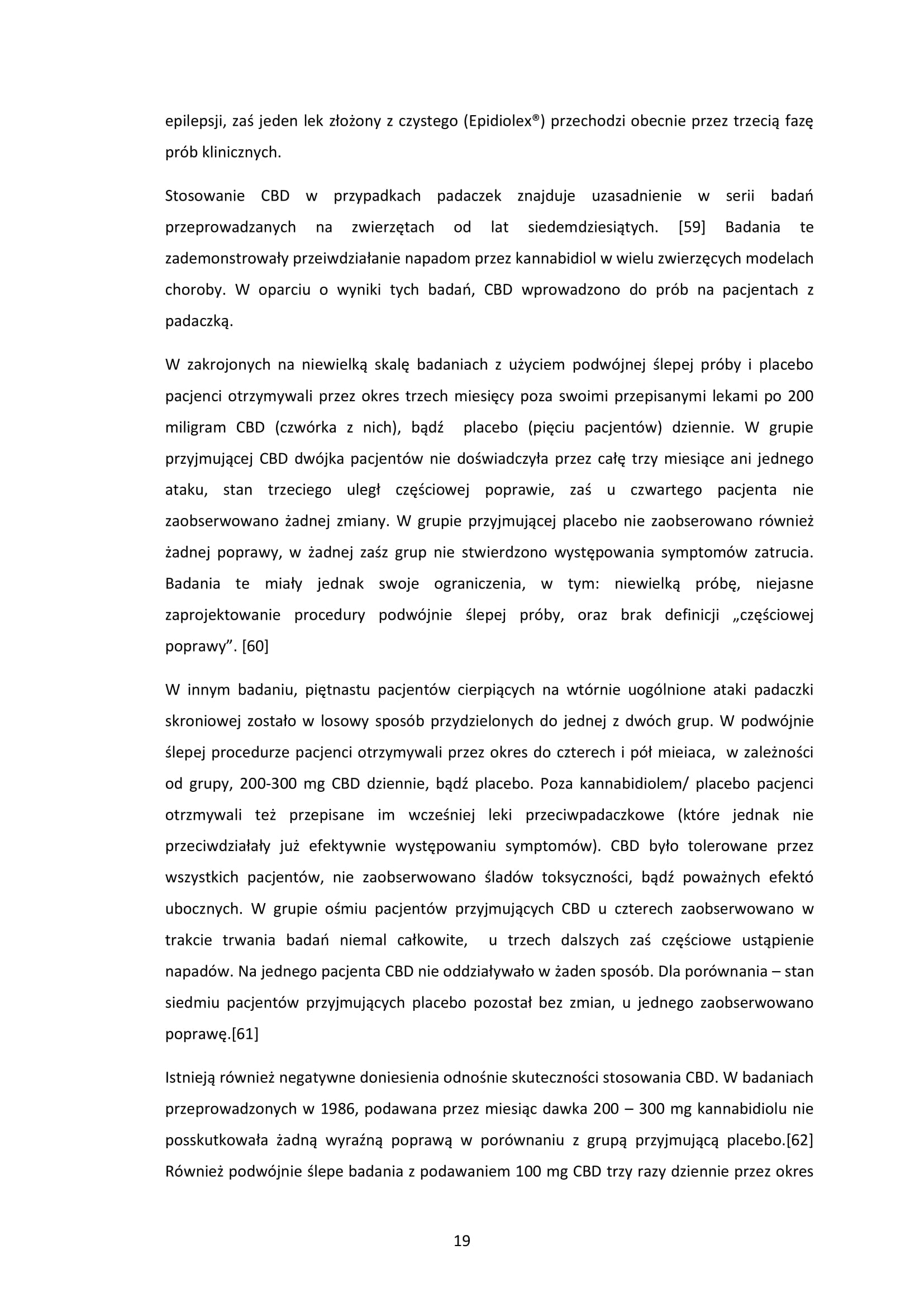
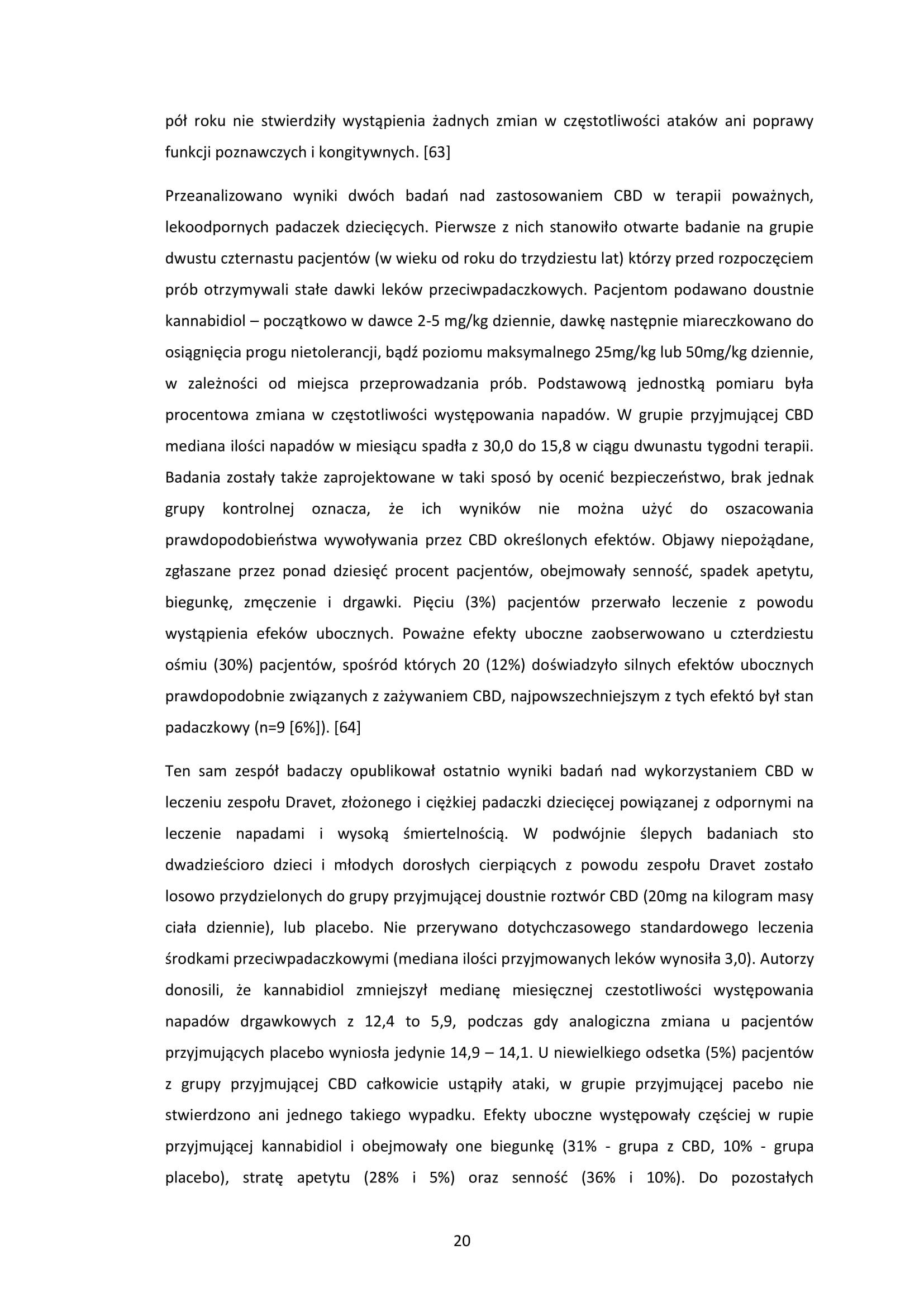
Several clinical trials have proven the efficacy of CBD in the treatment of epilepsy, one product
containing pure cannabidiol (Epidiolex®) is currently going through phase three clinical trials.
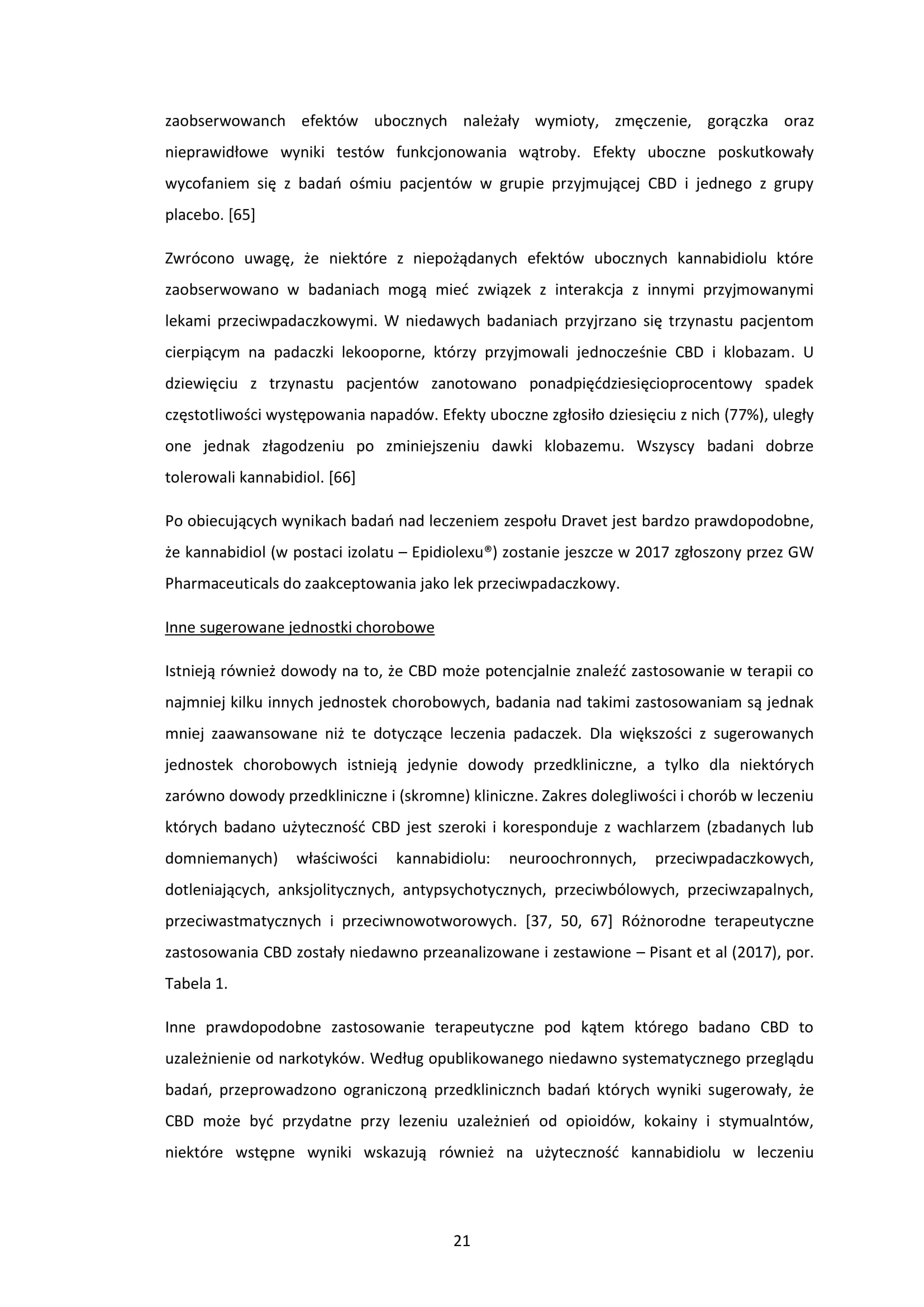
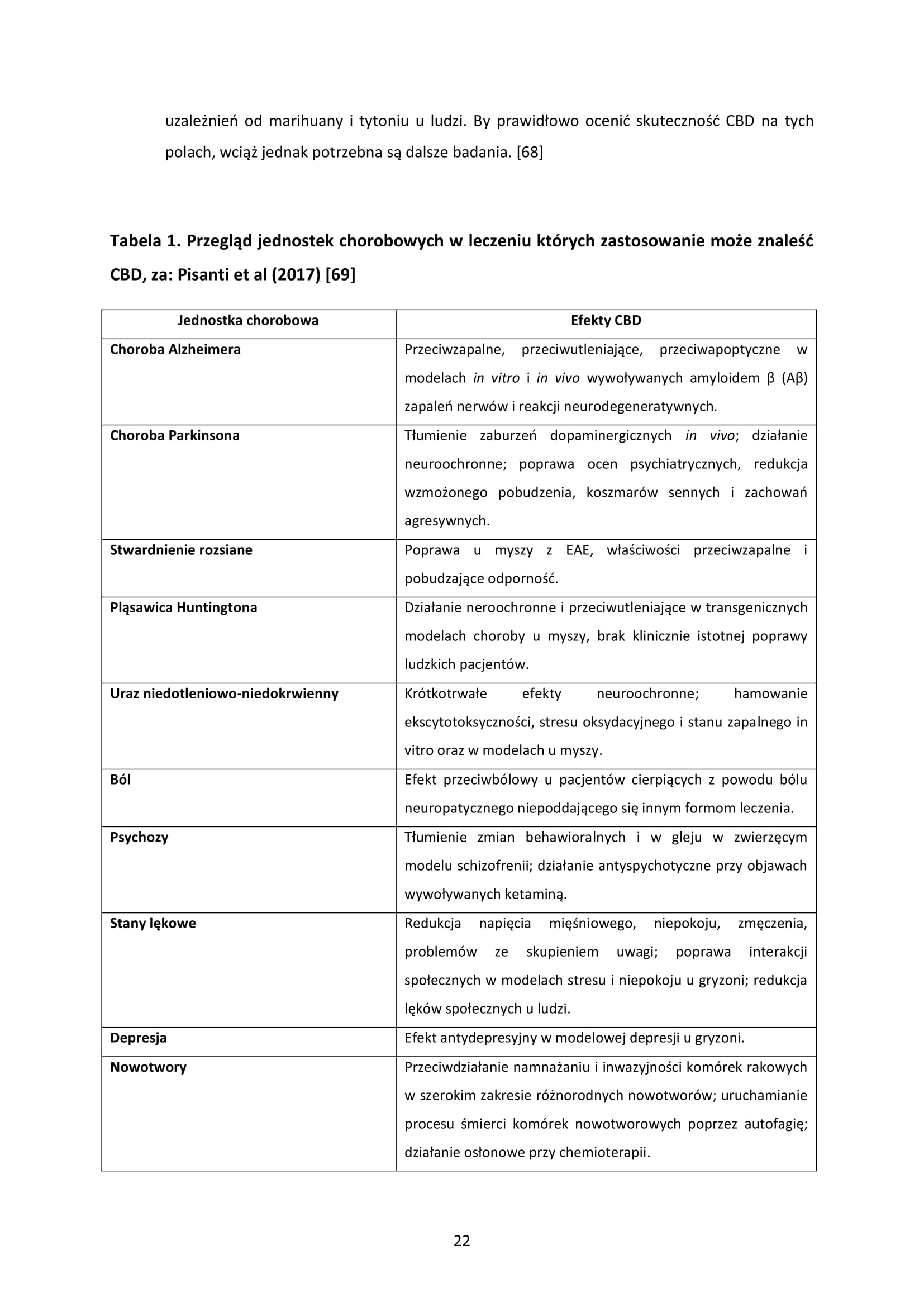
Preliminary evidence also suggests the efficacy of CBD in the treatment of several other ailments.
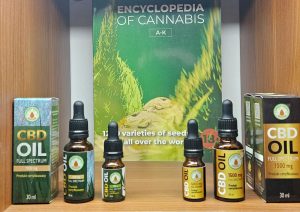
CBD products available online – such as oils, dietary supplements, gummies, or
concentrated extracts are unregulatedly used in the treatment of multiple ailments.
CBD is generally well tolerated and has a good safety profile. Reported
adverse effects may result from interactions with other drugs taken by patients.
Several countries have modified their regulations to allow cannabidiol as a medical product.
No evidence, to date, of recreational use of CBD, or any
public health problems associated with taking pure CBD.