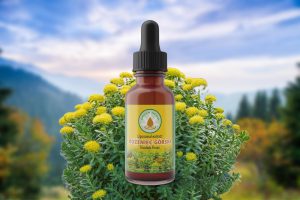


CBD, or cannabidiol, is a phytoocannabinoid without psychoactive properties. Cannabis has been used for medical purposes in many cultures around the world for millennia. Nowadays, the therapeutic substances contained in them arouse the interest of scientists and doctors.
How is seed hemp different from marijuana?
Marijuana and hemp seed are two varieties of the same plant species. The variety commonly called marijuana is grown for its high THC content. The plant is used for medical purposes or in some countries as a legal stimulant. Seed hemp, which contains very little THC, has many other uses. They are used to produce paper, clothing, medicines and food.
What are cannabidiol oils?
Cannabidiol (CBD) oils are products low in psychoactive THC. Therefore, they do not have narcotic properties. Preparations made from Cannabis sativa, which base their effects on the CBD fraction, have become very popular in recent years. The medical literature shows that patients taking them often report beneficial therapeutic effects. Case reports are particularly common for the relief of chronic pain. An important feature of cannabidiol oils is that they do not have the side effects of medical marijuana. These preparations have a very high safety profile for use compared to other medications and supplements used to treat epilepsy or chronic pain.
Due to the diversity of regulations on Cannabis sativa in different countries, as well as the huge increase in the number of new products, the nomenclature of preparations made from this herbal raw material is not always clear. The content of active substances in the oil depends on the parts of the plant from which it is extracted. THC and CBD reach their highest concentrations in the flowers and leaves of the hemp plant. Cannabis sativa seeds contain small amounts of them. Instead, they are rich in omega-6 and omega-3 fatty acids. There are also products referred to as “cannabis oils” that have high levels of psychoactive THC.
Research on the mechanism of action of substances contained in hemp
Socio-political reasons have hindered research on Cannabis sativa for decades. The past 30 years have seen significant progress in research work on the plant. Scientists have succeeded in isolating many of the active ingredients contained in cannabis. The recent discovery of cannabinoid receptors in the human body and the chemical molecules that can activate them has sparked an exponential increase in research into the endocannabinoid system and its importance to health. It is these receptors that are affected by the active substances in cannabis which leads to observable changes in the body’s functioning.
Over the past decade, scientists have linked the activity of the endocannabinoid system to a wide range of physiological functions, both in the nervous system and in peripheral organs. More importantly, modulating the activity of the endocannabinoid system has shown promise in treating a wide variety of diseases and pathological conditions.
CBD in the treatment of pain
The abuse of opioid drugs is one of the serious problems of modern health care. These substances are used for both pain management and narcotic purposes. Taking them regularly often leads to addictions that are difficult to treat. In response to this problem, there is growing interest among researchers in other potential treatments for pain. One promising solution is substances contained in the Cannabis sativa plant. There are particular hopes for cannabidiol and hemp oils, due to their low levels of psychoactive THC. When these substances are used, the therapeutic effect of medical marijuana is possible, without the narcotic effect.
The potential of CBD and hemp oils to treat chronic pain, has been confirmed in in vivo rodent studies. In addition, CBD has been found to have potential for treating opioid substance addiction. Therefore, in the context of the problem of pain medication abuse, cannabidiol is a particularly attractive option for chronic pain treatment. However, the use of CBD as a treatment for pain requires further research. Clinical trials with patients have so far been conducted on too small a group of participants.
CBD in dermatology
So far, accumulated data indicate the great potential of CBD-containing cosmetics. Cannabinoids, due to their anti-itch and anti-inflammatory properties, can be used to treat a variety of skin conditions. Current scientific literature indicates that CBD can be beneficial in the treatment of acne, chronic pruritus and atopic dermatitis. Therefore, dermocosmetics containing CBD are worth recommending to people struggling with these types of dermatological problems.
Use of CBD in veterinary medicine
There are studies indicating that CBD can be used in osteoarthritis in dogs. The therapeutic effect of cannaaboids is probably based in this case on regulating the endocannabinoid system and inhibiting the release of excitatory neurotransmitters. Thanks to this, pain reactions are reduced. Studies of the therapeutic potential of CBD on dogs suffering from chronic pain associated with osteoarthritis have shown an increase in activity levels in animals receiving supplementation with this substance.
Due to the registration of CBD preparations as drugs in some epilepsy teams in humans, a similar effectiveness of this substance is taken into account in the case of epilepsy in dogs. Many veterinary neurologists describe the effectiveness of canaboid treatment in their clinical practice. . The advantage of administering CBD in animals with epilepsy is certainly very low toxicity of the substance compared to synthetic drugs.
Sside effects of CBD
In studies of side effects in epilepsy patients treated with CBD, it was found that the substance can cause drowsiness, decreased appetite and diarrhea. The possible adverse effects were very mild, especially compared to the consequences of taking other antiepileptic or analgesic drugs.
What is liposomal CBD?
Liposomes are microscopic spheres that surround a nutrient or drug with their structure. They are designed to promote their absorption into the body. The molecular structure of cannabidiol makes it poorly absorbed by our body from the digestive system. A distinct advantage of delivering CBD in liposomal form is the increased bioavailability, which has been confirmed by clinical studies. Liposomal forms can also help cannabinoids avoid damage in the digestive system. As a result, the final blood concentration of the active compound is higher after administration of this type of CBD preparation.
Mgr. Sara Janowska
Literature:
Sheriff, Tabrez, et al. “The potential role of cannabinoids in dermatology.” Journal of Dermatological Treatment 31.8 (2020): 839-845.
Blair, Emek. “Next generation of liposomal delivery for cannabidiol from a hemp extract: a safety study.” Amer J Endocan Med 1.1 (2019): 20-22.
Pacher, Pál, Sándor Bátkai, and George Kunos. “The endocannabinoid system as an emerging target of pharmacotherapy.” Pharmacological reviews 58.3 (2006): 389-462.
VanDolah, Harrison J., Brent A. Bauer, and Karen F. Mauck. “Clinicians’ guide to cannabidiol and hemp oils.” Mayo Clinic Proceedings. Vol. 94. №. 9. Elsevier, 2019.